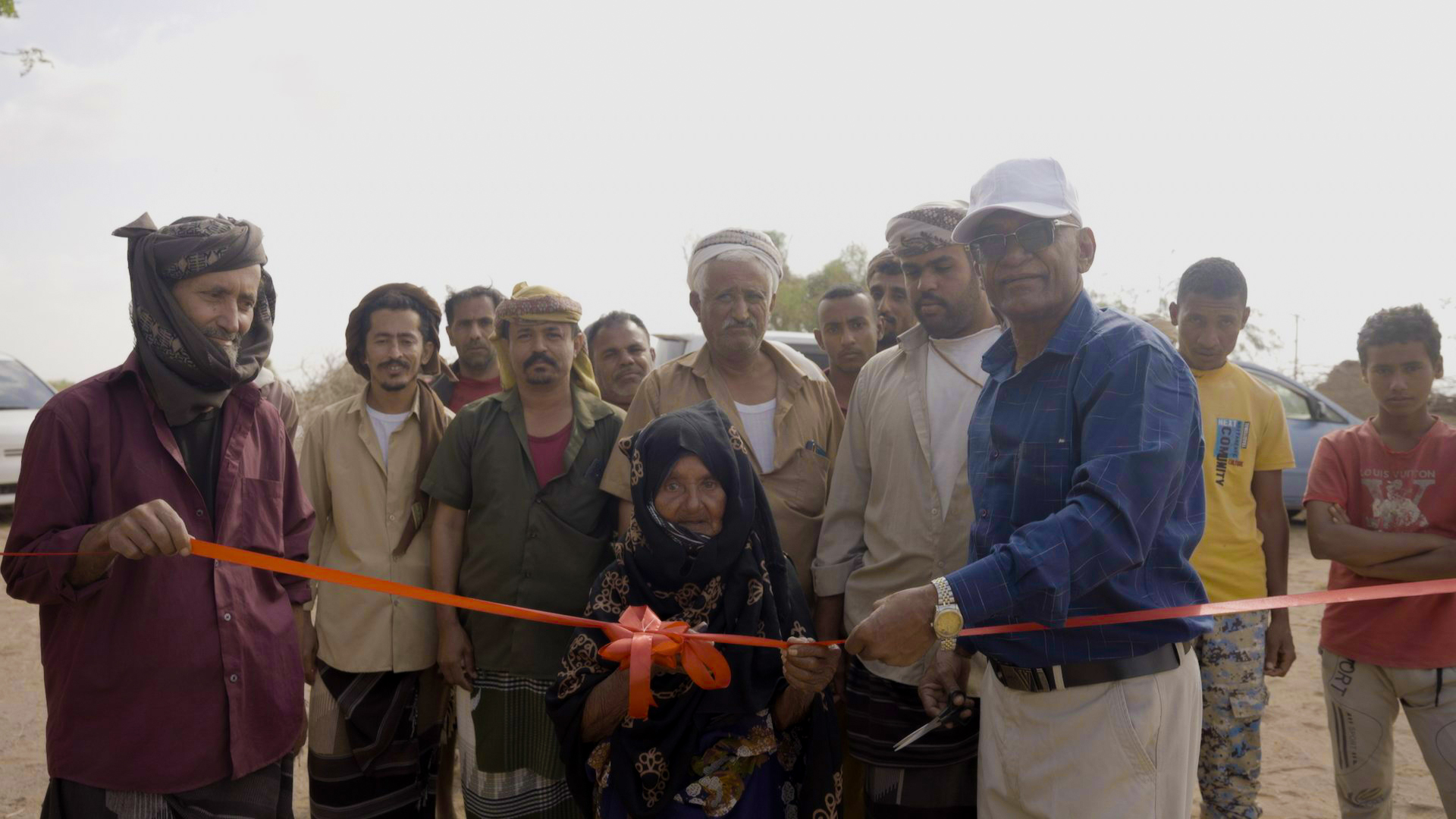
Tawakkol Karman Foundation, through its Haith Al-Insan program, rehabilitated Umm Al-Banat farm in the Dar Haitham area of Tuban District, Lahj governorate in southern Yemen, between November 2025 and February 2026, aiming to help a rural family reclaim its source of income and achieve economic stability.
Fatima Obeid Ali, the farm’s owner, had long depended on her land to support her family, with agriculture serving as their primary livelihood. But her life took a devastating turn following her husband’s illness and death, compounded by her son’s diabetes diagnosis. The family’s financial situation deteriorated sharply, and the farm’s productivity declined until it was nearly reduced to barren land.
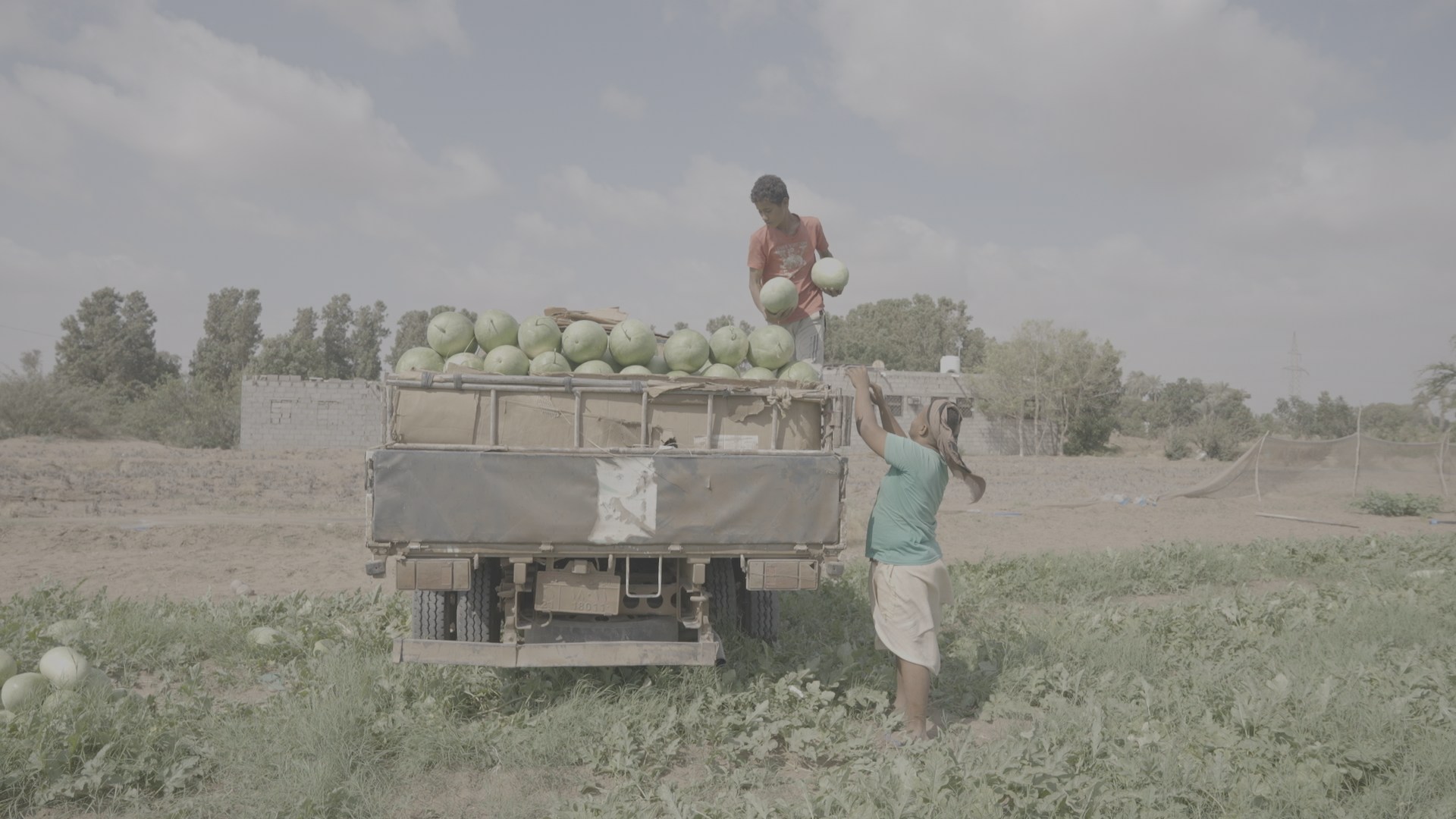
Their struggles did not end there. The family was forced to purchase water for irrigation at high cost, placing additional financial strain and further reducing yields. Fatima found herself confronting mounting challenges that threatened the survival of her only means of livelihood.
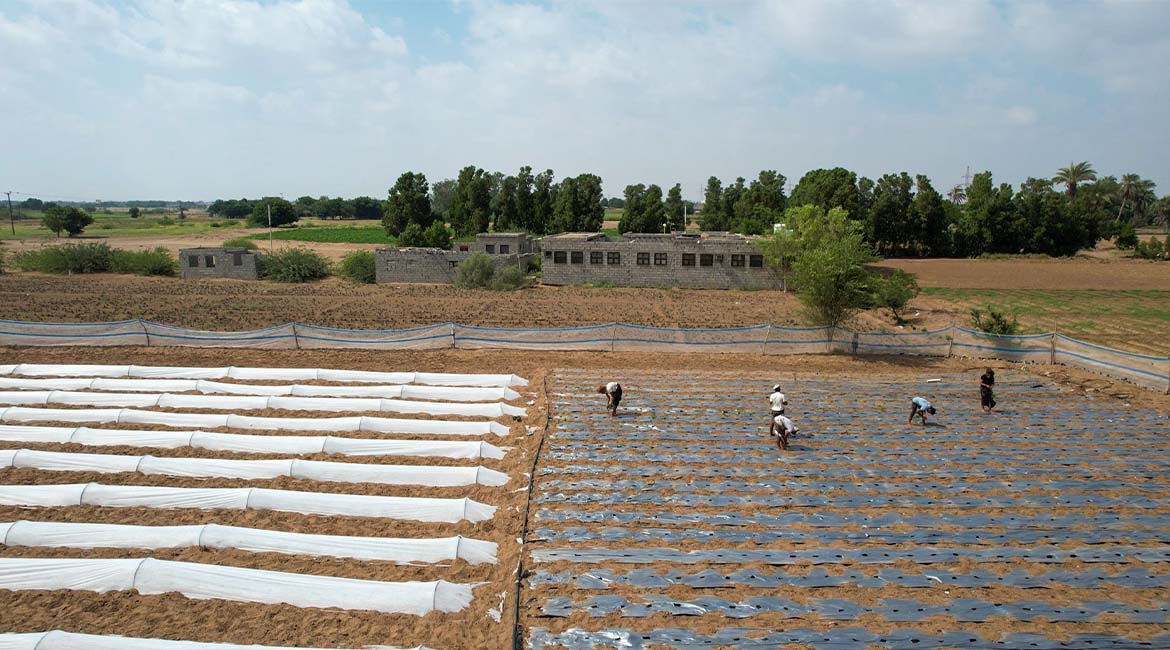
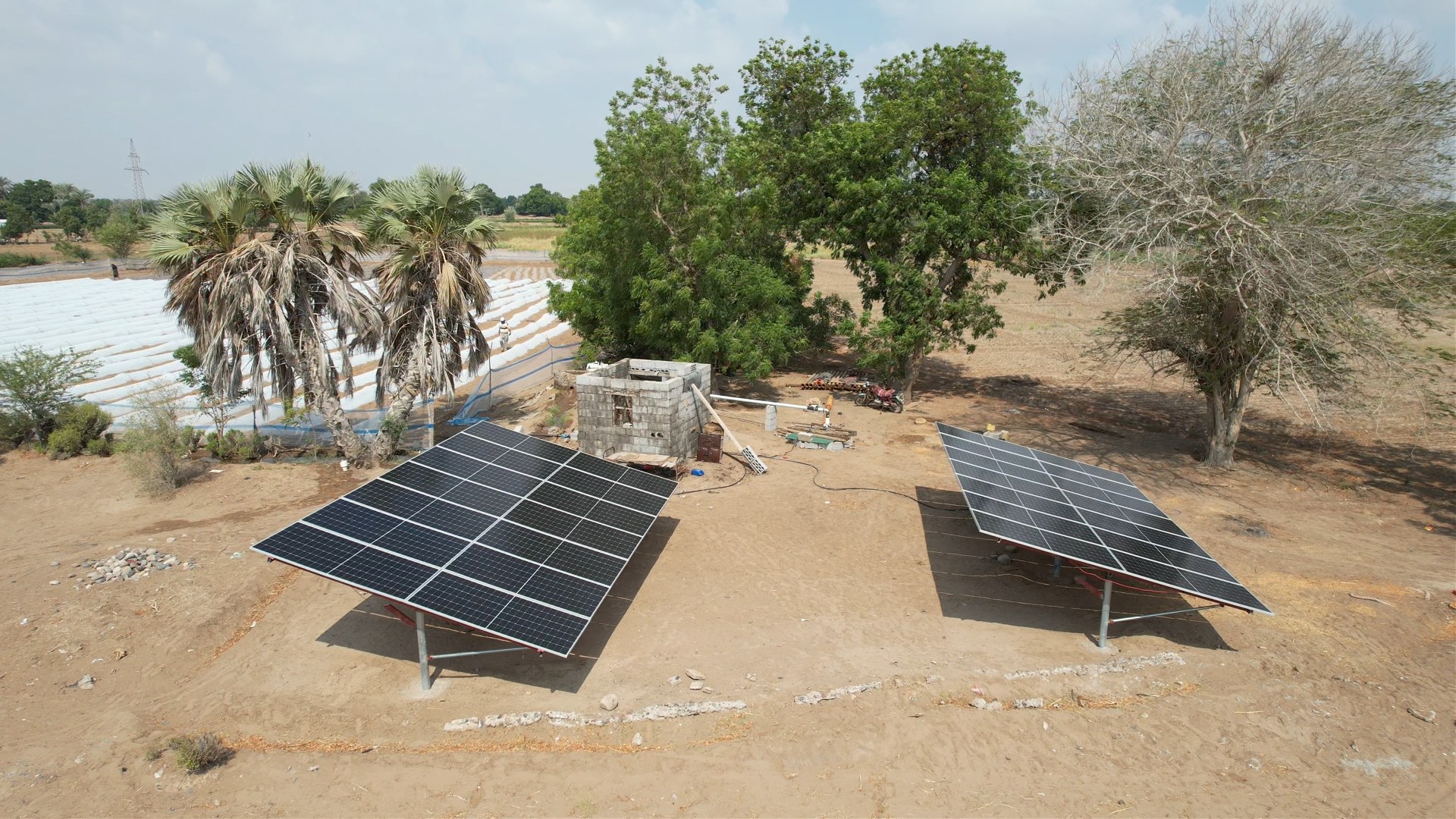
In response, the Haith Al-Insan program carried out a comprehensive rehabilitation of the farm. The project included installing a solar energy system to pump water from a well, establishing a modern irrigation network, rehabilitating the land, and planting a variety of vegetable crops suited to the local environment. The family also received training in modern agricultural techniques and farm management to ensure the sustainability of production.
With the involvement of all family members, the farm gradually regained its vitality. Life began to return to the land after years of decline. “Today, I feel that hope has returned,” Fatima said. “We are now able to rely on ourselves again. This land was everything to us, and now it has once again become our source of livelihood.”
The story of Umm Al-Banat is more than a farming project; it is a vivid example of empowering rural women and strengthening family resilience in the face of hardship. The initiative has helped improve income, enhance food security, and reduce costs through the use of clean energy.
This effort underscores how investing in people—especially in rural communities—can drive sustainable change, transforming hardship into opportunity and laying the foundation for a more secure future.