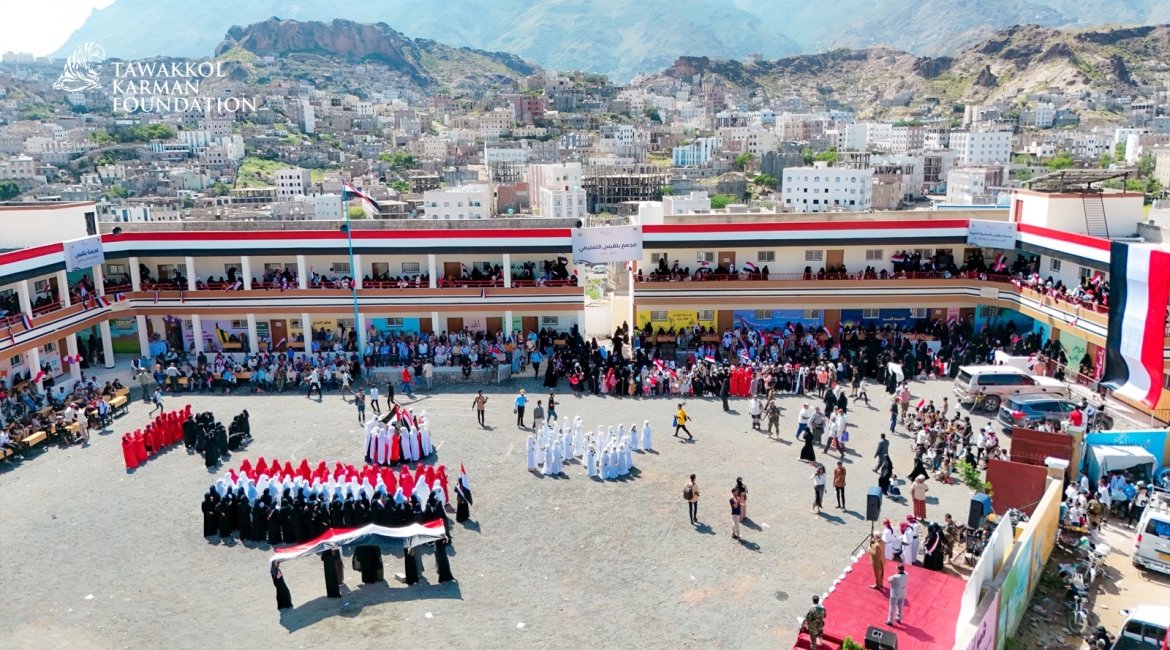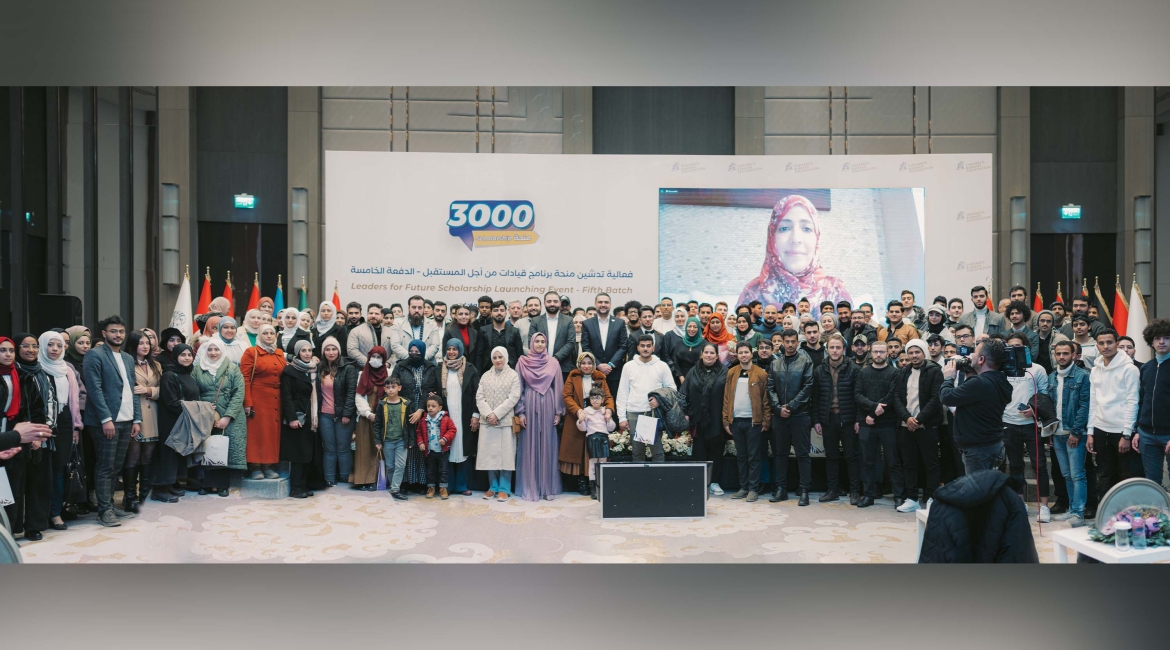

Nobel Peace Prize laureate and human rights activist Tawakkol Karman said that Yemen’s 26 September Revolution marked a defining turning point in the country’s history, establishing the republic and expressing Yemenis’ rejection of Imamate rule. She stressed that remaining faithful to the revolution’s principles today requires safeguarding the republic, upholding equal citizenship, and rejecting any attempt to restore the Imamate project.
In a speech marking the 64th anniversary of the revolution, Karman said September embodied the Yemeni people’s determination and their ability to change the course of history and break the chains of oppression and humiliation. She paid tribute to the sacrifices of the revolutionaries and its martyrs, stressing that commemorating the anniversary is not merely an act of remembrance, but an affirmation of the enduring principles of freedom and statehood.
Karman said Yemenis are now confronting what she described as “a new version of the Imamate project,” operating under different names, slogans and tools, in reference to the Houthi militia. She said the group’s continued control over parts of the country has contributed to the dismantling of state institutions and exacerbated the war, displacement and poverty, while causing widespread destruction of infrastructure.
She warned that the consequences of the conflict are no longer confined to Yemen, noting that control over coastal areas and maritime routes has made Yemen part of wider concerns surrounding the security of international shipping and trade. She stressed that restoring the state is the path toward enabling Yemen to resume its natural role as a state responsible for its territory, waters and national interests.
On the domestic front, Karman called on political and military forces within the internationally recognized government camp to overcome their divisions and narrow regional and partisan calculations. She said political fragmentation and the proliferation of military formations have prolonged the war and enabled the Houthis to maintain their hold on parts of the country. She called for the army and security institutions to be unified under state authority and for the proliferation of parallel military formations to end, ensuring that the state maintains a monopoly over arms and decision-making.
At the regional level, Karman called on Saudi Arabia to reassess its approach to the Yemen file and to engage with Yemenis as partners, while supporting the legitimate authorities in unifying the army and security institutions under a single command.
She said that the establishment of a strong and capable Yemeni state serves the interests of Yemen, Saudi Arabia and the wider region, pointing to the close interdependence between the security of the two countries by virtue of their geography. At the same time, she commended the Arab countries supporting the Yemeni state.
In her final appeal, Karman called on Yemenis to reclaim the spirit of the September Revolution, move beyond narrow calculations, and unite around the state and the republic. She stressed that Yemen’s future must be grounded in equality and equal citizenship, with the country embracing all its people.
Karman called for the anniversary of the September Revolution to serve as “a new pledge” to restore the state, safeguard the republic, and build a free, dignified and prosperous Yemen that embraces all Yemenis.